
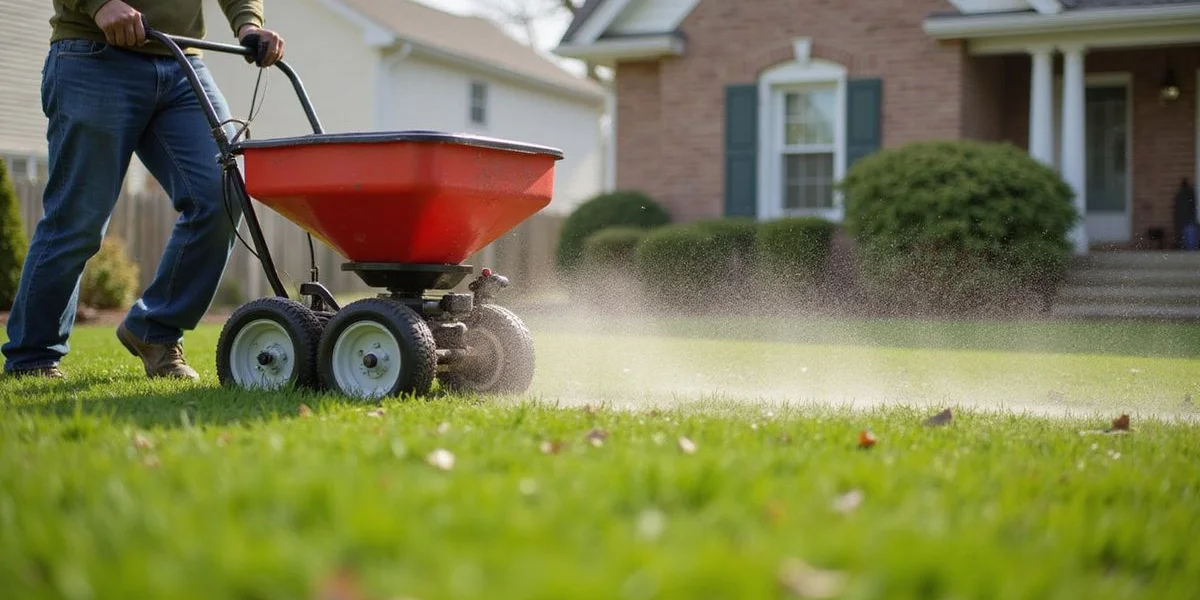
Connecticut Lawn Fertilization & Weed Control Programs in Southington
Multi-step seasonal fertilization and weed control programs timed for Southington's Zone 6b soil and clay-heavy yards.
What's Included in Our Lawn Fertilization & Weed Control Southington Service
A four- to five-step seasonal program that feeds the lawn at the right time for central Connecticut's cool-season grasses and intercepts crabgrass and broadleaf weeds before they take over. Choose synthetic, organic, or hybrid programs based on results, budget, and pet/family priorities.
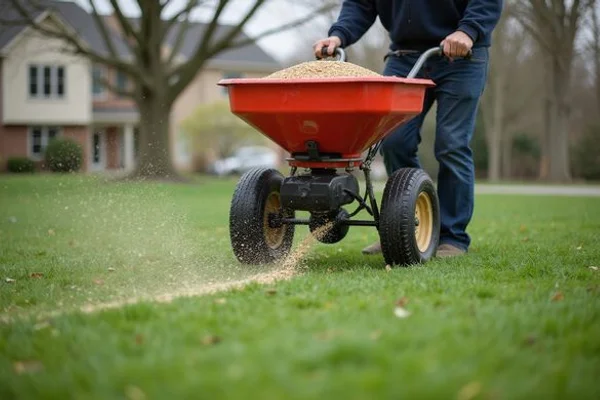
Have you ever stared at your Southington grass after a long winter and wondered how to bring it back to life? You want a thick, green yard, but central Connecticut’s clay soil and 125 to 150 frost days a year make things tricky. Our team understands exactly how local Zone 6b conditions affect your property.
Proper Lawn Fertilization and Weed Control starts from the soil up.
Let’s walk through the exact steps to get your turf looking its best.
Grab a cup of coffee, and let’s go through it together. We will show you everything you need to know.
The Connecticut Fertilization Year
Most Southington lawns benefit from four to five nutrient applications across the year. The timing of these treatments makes all the difference in preventing weeds. We always tell clients to watch the local forsythia bushes. Those yellow blooms signal that soil temperatures are approaching 55 degrees Fahrenheit. Our crews know this is the exact moment crabgrass seeds begin to germinate.
Applying your products at the correct time is crucial for success. Here is a quick look at the ideal schedule:
- Late March to Mid-April: Spring pre-emergent and first feed to stop crabgrass before it sprouts.
- Late May and June: Second feed to support rapid spring growth.
- Summer (July): Slow-release nitrogen formula to prevent burning during the 85°F summer highs.
- Fall (September): The most important feed for root development to survive the cold.
- November: Winterizer treatment to prepare the root system for the 21°F winter lows.
Connecticut laws also shape how we treat your yard. The CT Department of Energy and Environmental Protection (DEEP) prohibits applying phosphorus to established lawns unless a soil test shows a deficiency. DEEP also strictly requires licensed pesticide applicators for any commercial herbicide or fertilizer use. We hold those licenses and we send soil samples to the UConn Soil Nutrient Analysis Lab in Storrs to make sure your property gets exactly what it needs - legally and safely.
Pick the Right Program
Choosing the best Lawn Fertilization and Weed Control approach depends on your family’s priorities. Synthetic programs deliver the fastest visible results and are the most cost-effective option. These traditional fertilizers use specific nitrogen and potassium ratios to green up the grass quickly. We often recommend synthetic plans for properties needing rapid improvement.
Organic programs avoid synthetic chemicals entirely. You will see slower visible results, but the long-term soil health benefits are excellent. Our organic solutions focus on building up beneficial soil microbes. A 2025 Connecticut law banned fertilizers containing biosolids due to PFAS chemical concerns. We now use safe, plant-based organic alternatives like corn gluten meal to keep your yard compliant and healthy.
Hybrid programs split the difference by using organic fertilizers alongside targeted synthetic weed control.
| Program Type | Speed of Results | Cost Profile | Best Fit For |
|---|---|---|---|
| Synthetic | Fast | Most cost-effective | Rapid green-up and severe weed issues |
| Organic | Slow | Higher initial investment | Pet owners and environmentally-focused households |
| Hybrid | Medium | Moderate | A balanced approach for health and aesthetics |
Most families do well on a synthetic plan. Pet-focused or environmentally-conscious households often pick the organic or hybrid route. We will help you select the exact match for your property goals.
Bundled With Mowing
Proper mowing practices go hand in hand with a great nutrition plan. When you add fertilization to a weekly mowing contract, the results improve dramatically. We bundle the schedule to ensure treatments are applied at the perfect time in the growth cycle. Adjusting the mower deck height before each application maximizes product uptake.
Cool-season grasses in Connecticut, like tall fescue and Kentucky bluegrass, thrive when kept at a height of 3 to 4 inches. Our operators set the mowers high during the summer months. This taller grass shades the soil, retains vital moisture, and naturally crowds out remaining weeds. We see far fewer crabgrass outbreaks on lawns cut at this taller height.
Combining these services simplifies your property maintenance. A bundled contract typically saves 10 to 15 percent versus paying for standalone fertilization and standalone mowing separately. We handle the scheduling logistics so you can just enjoy the yard.
Ready for a Better Yard?
Getting the right nutrients into your clay-heavy soil is the first step to a beautiful Southington property. You deserve a yard that looks great and feels amazing underfoot. Our experts are ready to build a Lawn Fertilization and Weed Control plan specifically for you.
Give us a call today to schedule your free property assessment. We look forward to helping your grass thrive this season.
What's Included
- Spring pre-emergent + early-season feed
- Summer feed (slow-release nitrogen)
- Fall feed + lime application
- Winterizer for root development
- Organic, synthetic, and hybrid options
Why Hartford County Chooses Us for Fertilization
Zone 6b Timing
Fertilization timing is everything in central Connecticut. Too early washes out, too late misses the growth window before the rapid May green-up.
Clay Soil pH Matters
Central Connecticut clay soils typically run acidic, pH 5.8 to 6.2. We test and lime to keep nutrient uptake working through Southington's freeze-thaw cycles.
Organic Options
Families with kids, pets, or environmental priorities can choose an organic program with results comparable to synthetic.
Bundled With Mowing
Discount available when you bundle fertilization with weekly maintenance - same crew, coordinated timing.
The Fertilization Process
Lawn Assessment
Soil pH check and visual assessment to pick the right program.
Program Selection
Synthetic, organic, or hybrid - fit to results goals and family priorities.
Timed Applications
4-5 applications across the year, timed for Zone 6b weather windows.
Mid-Season Check
We re-evaluate progress and adjust the program as needed.
Ready for a free written estimate?
We visit the property, assess the scope, and email you a fixed-price quote within 24-48 hours.
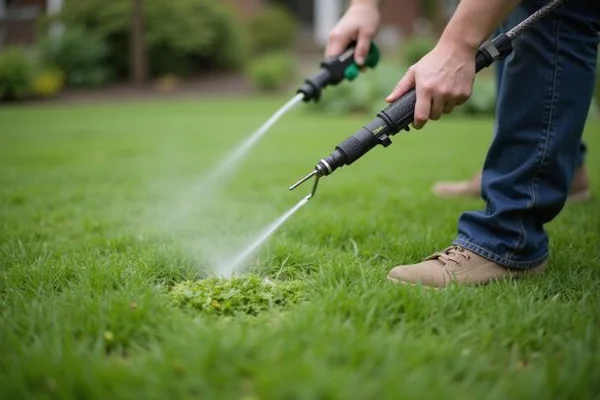
Fertilization Project Gallery

Try Our Lawn Care Calculator
Estimate fertilizer quantities and annual program costs for your lawn.
Hartford County Customers on Our Fertilization
"Two years on their fertilization program and the lawn is unrecognizable - no more crabgrass, no more bare patches. Worth every dollar."
David R.
Mount Vernon
"Switched to their organic option last spring. Family with two dogs and a toddler - peace of mind plus a noticeably thicker lawn. They time it around our schedule, not the other way around."
Karen S.
Flanders
Fertilization FAQs
How many fertilization applications does a Southington lawn need?
When should I start fertilization in Southington?
Is your program safe for pets and kids?
Will fertilization help my crabgrass problem?
Do I need to mow before fertilization?
Fertilization Guides
In-depth answers to the most common questions about fertilization in Hartford County.
Related Services
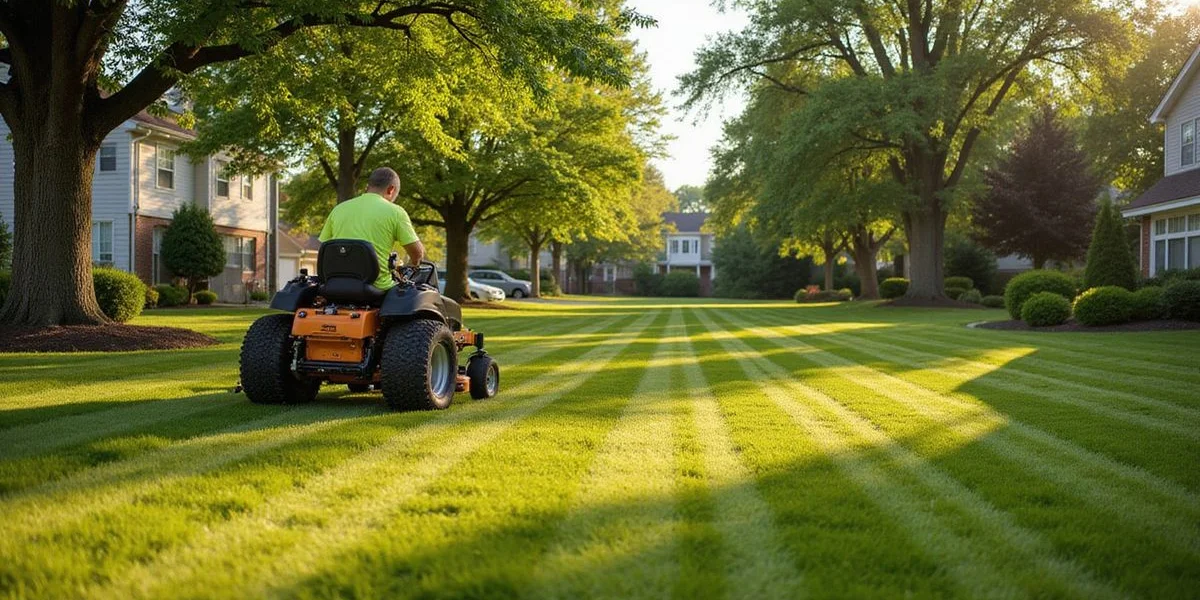
Lawn Mowing & Maintenance Southington
Weekly and bi-weekly lawn mowing with edging, trimming, and blowing for Southington residential and commercial properties.
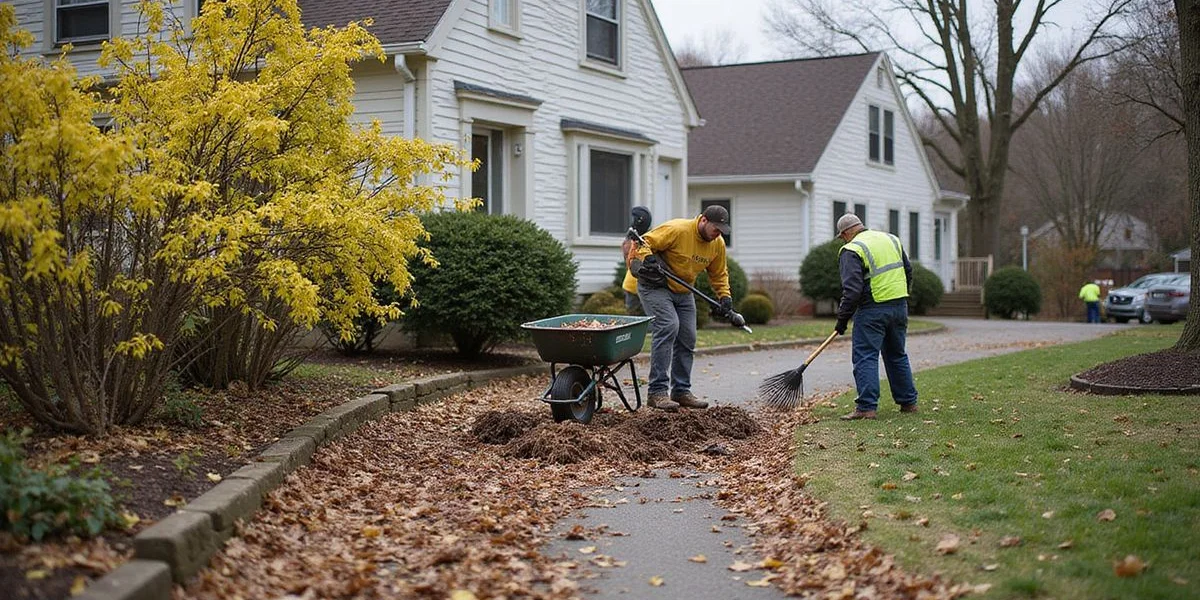
Spring Cleanup Southington
Comprehensive spring cleanup for Southington yards: debris, edging, pruning, first mulch - booked late March through April.
Ready to Book Fertilization?
Free written estimate within 24–48 hours. Fixed pricing, no surprises.